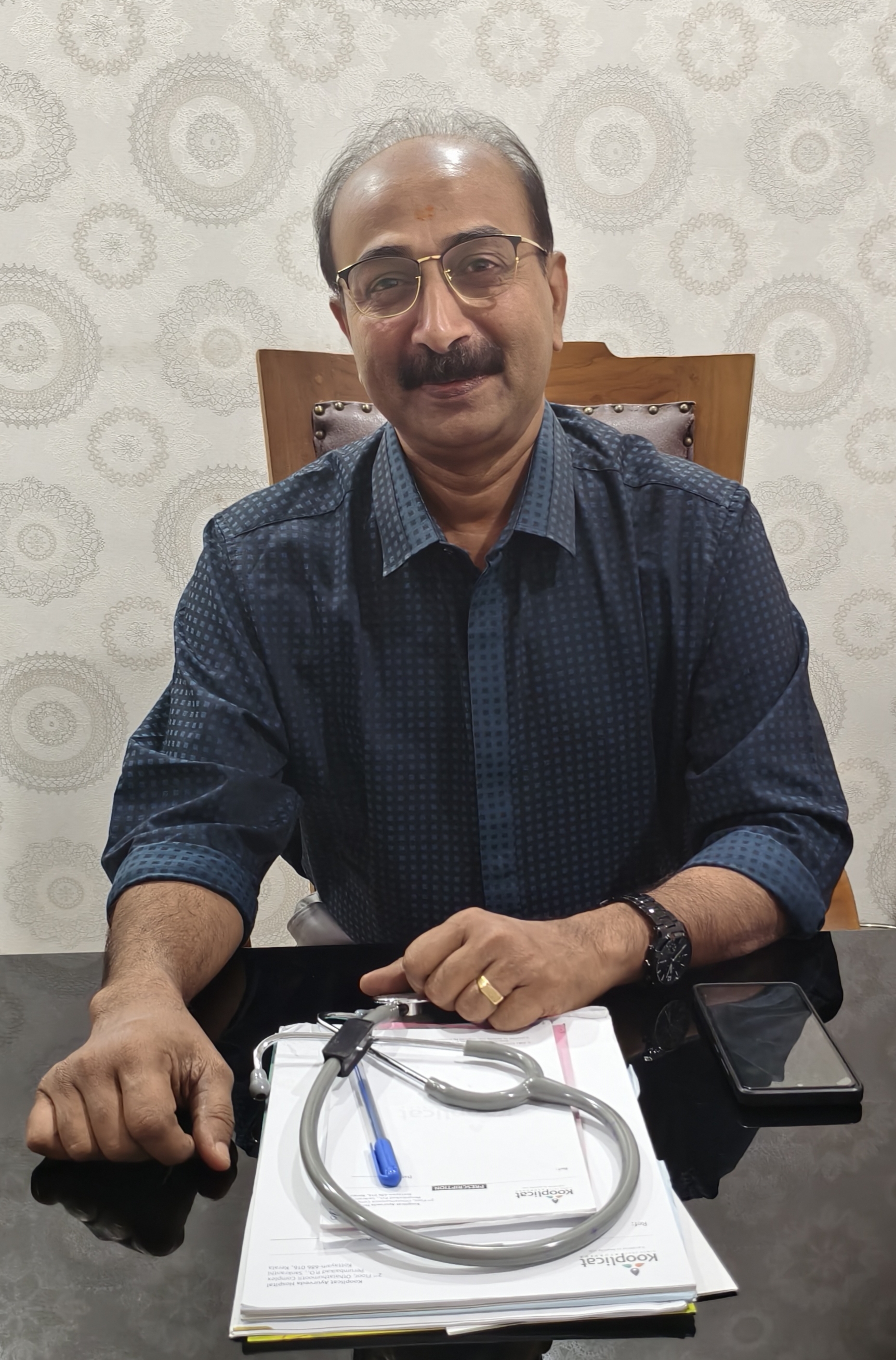
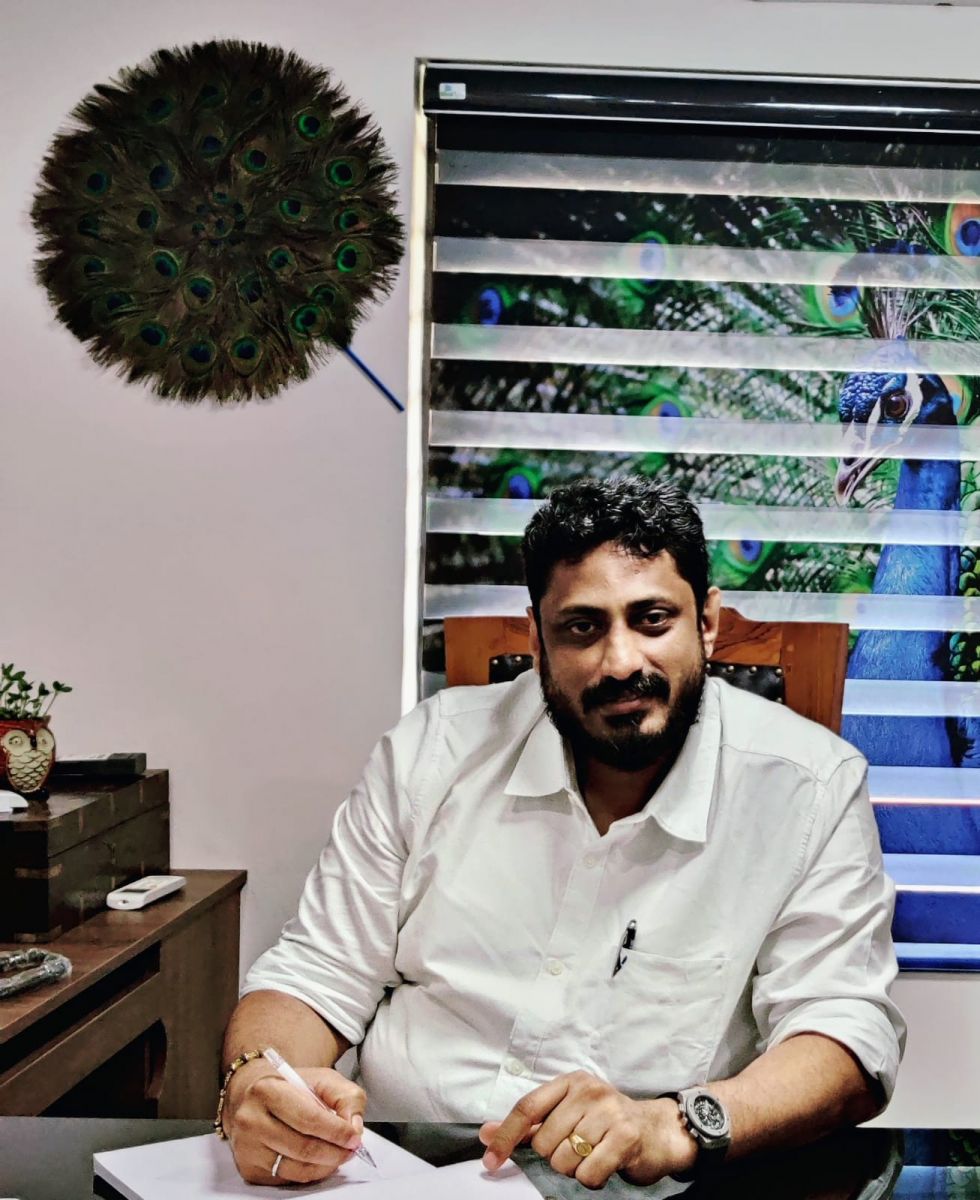
Bobby John
Managing Director
Bobby John, born in kaduthuruthy, a
beautiful village in Kottayam had completed his Aeronautical engineering from Chennai.
Since hailing from a traditional business family, he started his journey in business by
starting a jewellery shop at Kaduthuruthy. His versatility and achievement were in a way
unique. He is a man full of high thinking and ideas. From his childhood onwards, he had
a keen interest in knowing herbs, because of his grandpa, who is a school headmaster,
was really a treasure of having deep knowledge about herbs.
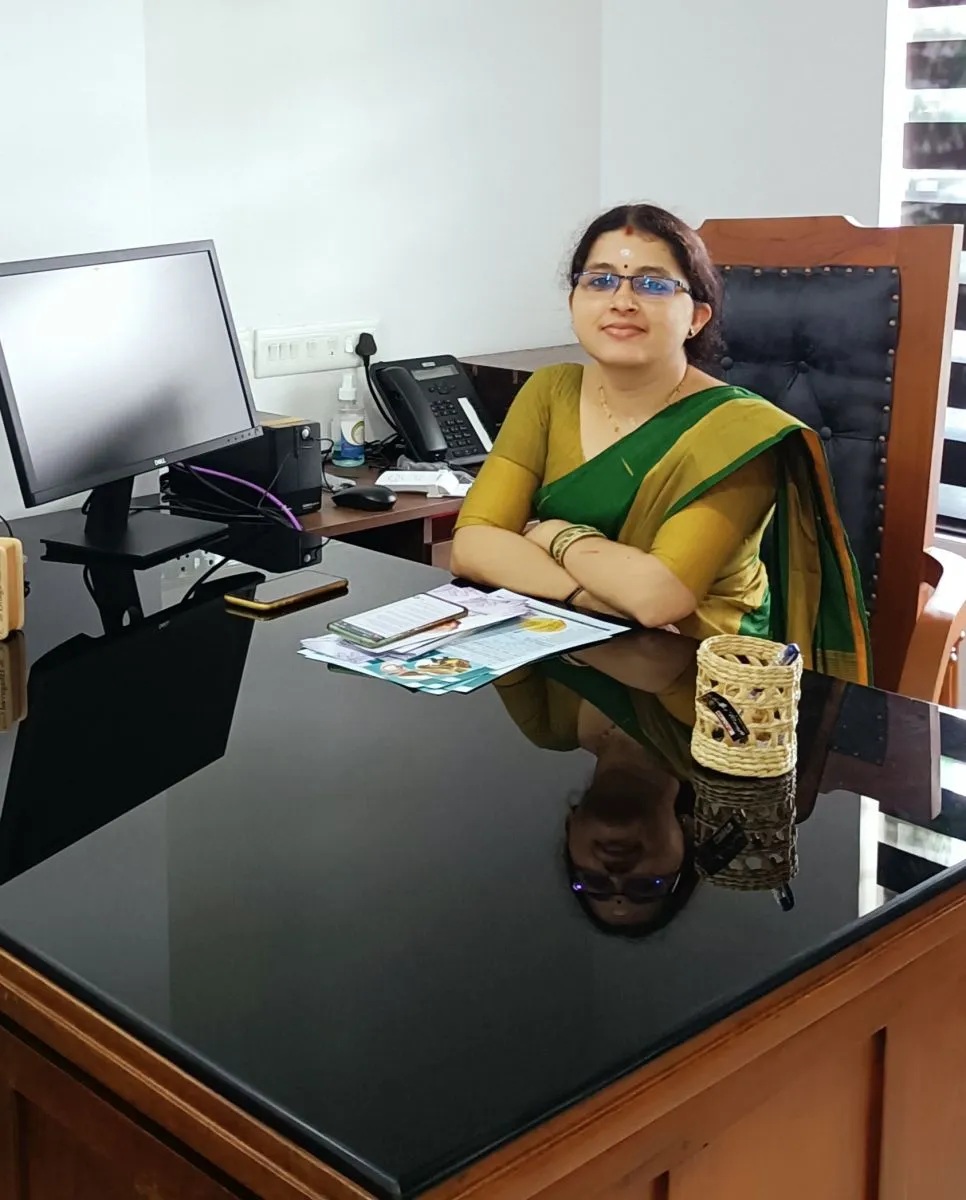
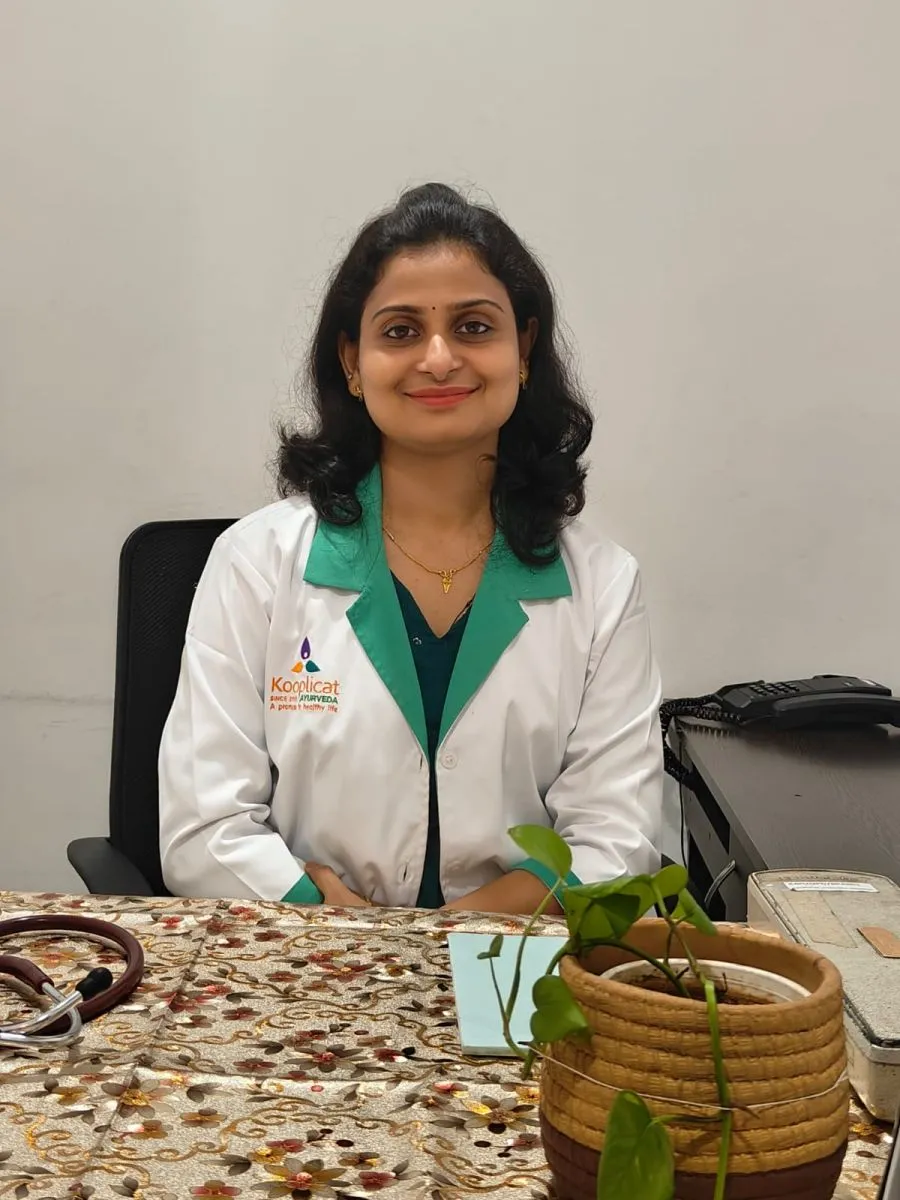
Dr. Deepthi Janardhanan
Chief Physician &
Director
Dr.Deepthi Janardhanan, Chief physician &
Director of Kooplicat Ayurveda Hospital has achieved her graduation from Vaidyaratnam
Ayurveda College, Ollur Trissur in the year 1995. She has done Diploma in Siddha
medicine and Diploma in Yoga from Tamil Nadu in the year 2000, and has taken
post-graduation diploma in Geriatrics and Gerontology from Tamilnadu in the year 2001.
She started her carrier from Nagarjuna Herbal concentrates in 1996. She worked as a
private consultant in IPCL complex Nagothane Maharashtra for six years. She worked with
Pankajakasthuri Herbals also. She is working as CMO in Kooplicat Ayurveda Hospital,
Kottayam, Kerala since last 18 years.
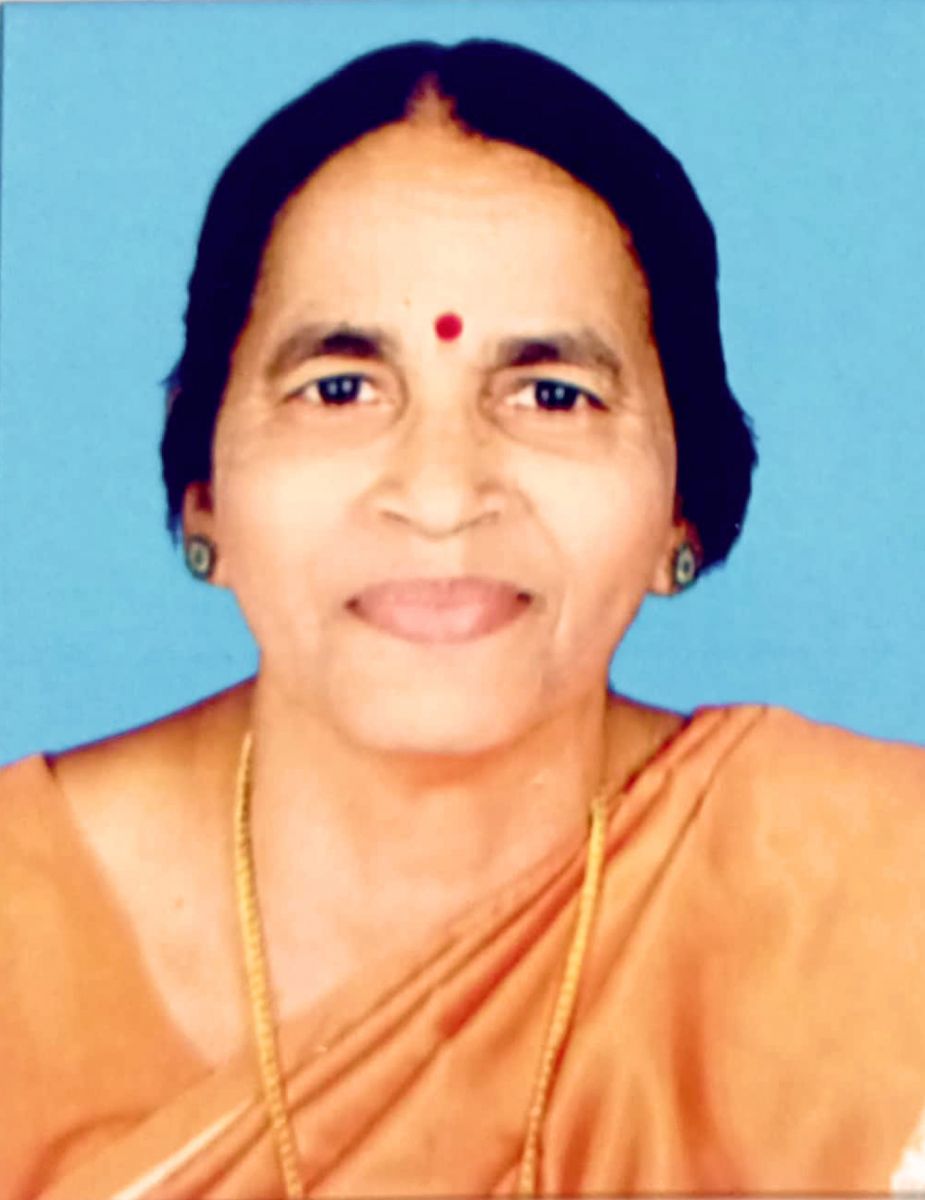
Dr. CP Meenakshi Amma
Our Torchbearer
Dr. CP Meenakshi Amma the inspirational
pioneer of Kooplicat, is a multifaceted and accomplished Ayurvedic medical practitioner
with a rich and diverse experience of 53 years in the field of Ayurveda. During five
decades of her journey as an Ayurvedic physician, serving all sections of society as a
Government servant, she was able to garner unparalleled knowledge through dedicated
practice and research. She has acquired expertise and skills in treating complicated
ailments like Parkinsons syndrome, muscular atrophy, gynaecological disorders,
paralysis, arthritis etc. After completing her studies from Govt Ayurveda college,
Tripunithura, in 1969, she started her professional career as a Medical officer in ISM
in the year 1970.